

What is it?
A lumbar herniated disc can press on a nerve root and cause radiating leg pain, sometimes called sciatica. Discectomy removes the offending fragment through a focused surgical approach.
When might it be considered?
It may be considered when leg symptoms are persistent, disabling, and consistent with the examination and imaging. Weakness and urgent neurological findings require separate assessment.
How it works
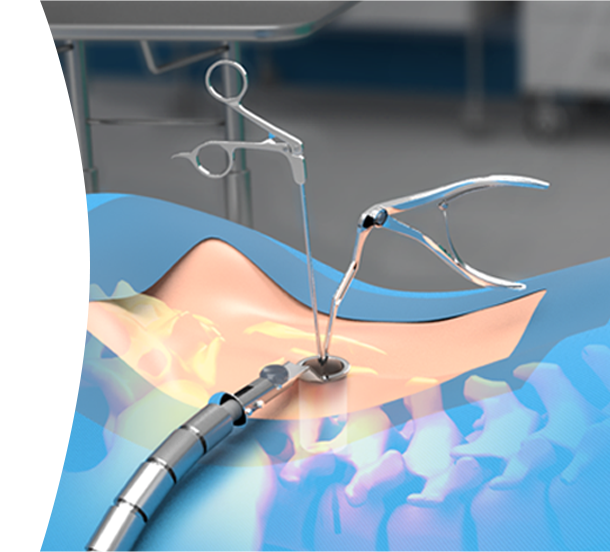
Through a small access corridor, the surgeon identifies the nerve and removes the disc material pressing on it. The entire disc is not routinely removed.
Benefits, tradeoffs & risks
Risks include recurrent herniation, infection, nerve injury, spinal fluid leak, and persistent pain. Relief of leg symptoms and relief of back pain are different goals.
Recovery & follow-up
Walking usually forms part of early recovery, with specific bending, lifting, and activity guidance. Return to work depends on job demands and the course of recovery.
Questions to bring
- What explains my symptoms, and how certain is the diagnosis?
- What nonsurgical options are appropriate for me?
- What is the main goal of this procedure in my case?
- How will treatment affect work, movement, and recovery at home?