

What is it?
Often called ACDF, this operation reaches the cervical spine from the front of the neck. The affected disc is removed to relieve pressure, and the space is supported with graft or a cage to help the vertebrae fuse.
When might it be considered?
ACDF may be considered for nerve or spinal cord compression when clinical findings and imaging support the diagnosis. Nonsurgical options and the urgency of neurological symptoms are part of the evaluation.
How it works
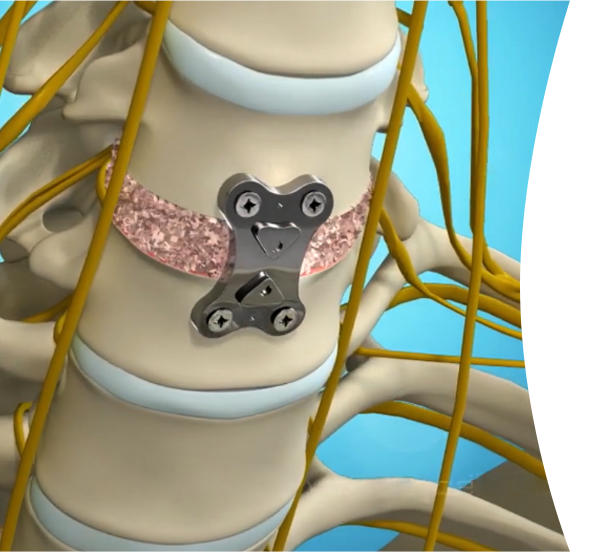
After decompression, the surgeon restores support to the disc space. A plate and screws may provide additional stability while the fusion heals.
Benefits, tradeoffs & risks
Temporary swallowing discomfort or voice changes can occur. Other risks include infection, nerve or spinal cord injury, nonunion, and persistent symptoms. The number of levels influences the discussion.
Recovery & follow-up
Early activity, collar use if prescribed, and follow-up imaging are individualized. Bone healing takes time; feeling better does not necessarily mean the fusion is complete.
Questions to bring
- What explains my symptoms, and how certain is the diagnosis?
- What nonsurgical options are appropriate for me?
- What is the main goal of this procedure in my case?
- How will treatment affect work, movement, and recovery at home?